


Why visual storytelling tools need more than a lady laughing at a salad.

Before stock photography, creating even the simplest image was painstakingly complicated.
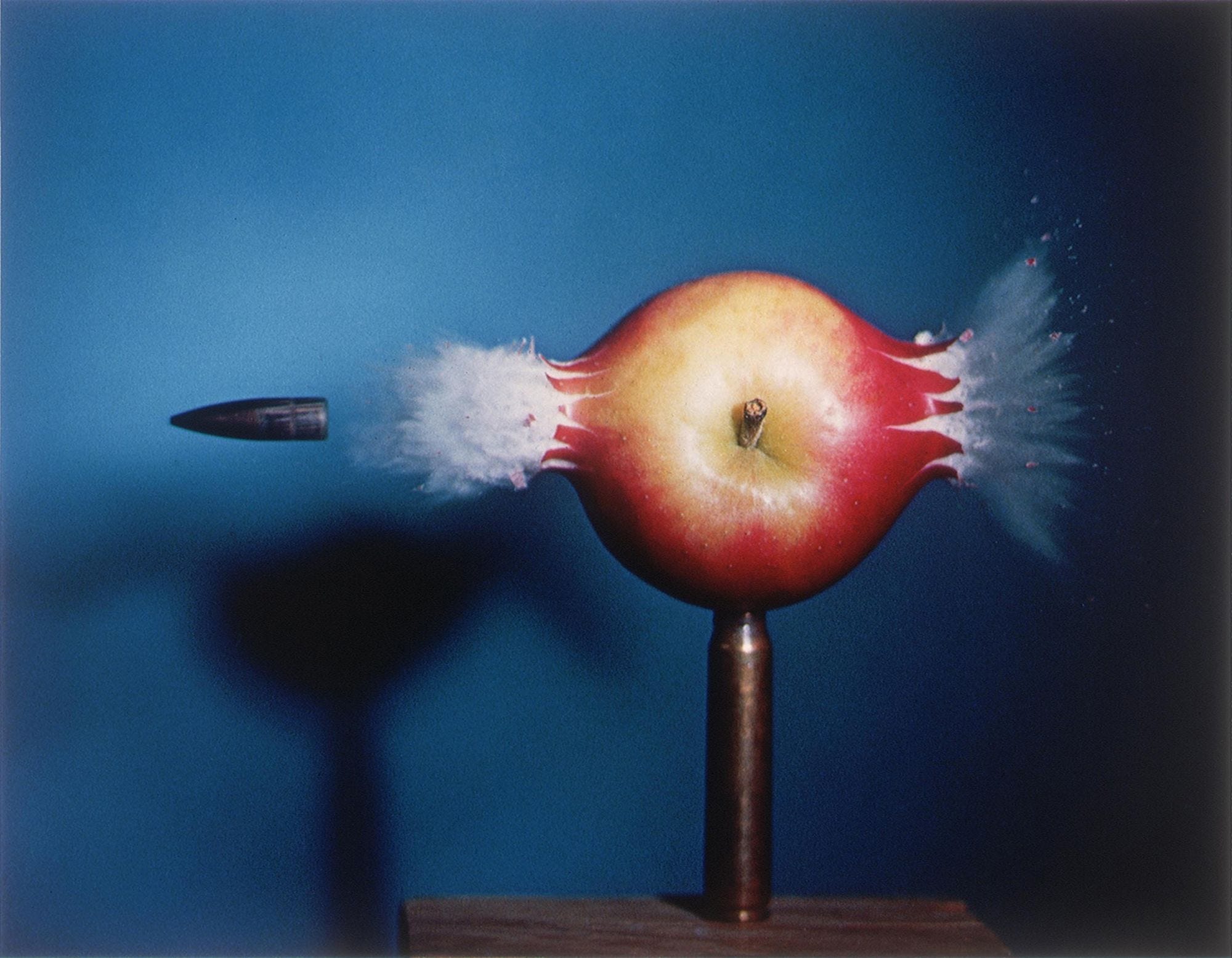
Take something as basic as photographing an apple for a juice brand. It required months of planning and a team of experts — someone to select the most photogenic apple, a food stylist to enhance its shine, a set designer to craft the ideal environment, and a lighting technician to arrange precise shadows and reflections. All of this effort culminated in a single click of the shutter. But it didn’t end there. An art director would then spend hours — sometimes days — sifting through near-identical shots to pick the one, before retouching, compositing, color grading, and prepping the file for print.
The process was expensive, exhausting, and incredibly complex.
Then came stock photography.
Stock libraries promised a solution: what if that perfect apple image could be created once, and sold infinitely? Suddenly, photographers could produce one polished photo and license it endlessly. A global market was born — one that, by 2024, reached $4.63 billion. And it’s still growing. Mordor Intelligence projects the stock image market will near $7 billion by 2030, fueled by the endless demand for digital content.
It was revolutionary.
But like every tool that democratizes access, convenience came with a catch.
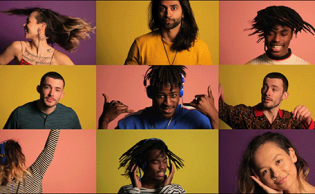
At first, stock made the creative process faster, cheaper, and more scalable. But over time, it turned visual storytelling into a commodity. The same shiny apple showed up in campaign after campaign. The same laughing woman. The same golden retriever mid-leap. The same sterile office handshake.
The creative world began to feel visually claustrophobic.
With everyone using the same assets, brand communications started to blur. Sameness replaced uniqueness. Repetition replaced storytelling. And for marketers and art directors, who thrive on variety, stock photography became more of a constraint than a creative tool.
The Rise of Stock Fatigue
Stock had become an inside joke. And not just among creatives.
Consumers noticed the lack of authenticity too. A 2023 survey by Visual Objects revealed that 72% of respondents found typical stock imagery untrustworthy or disconnected from real brand identity.
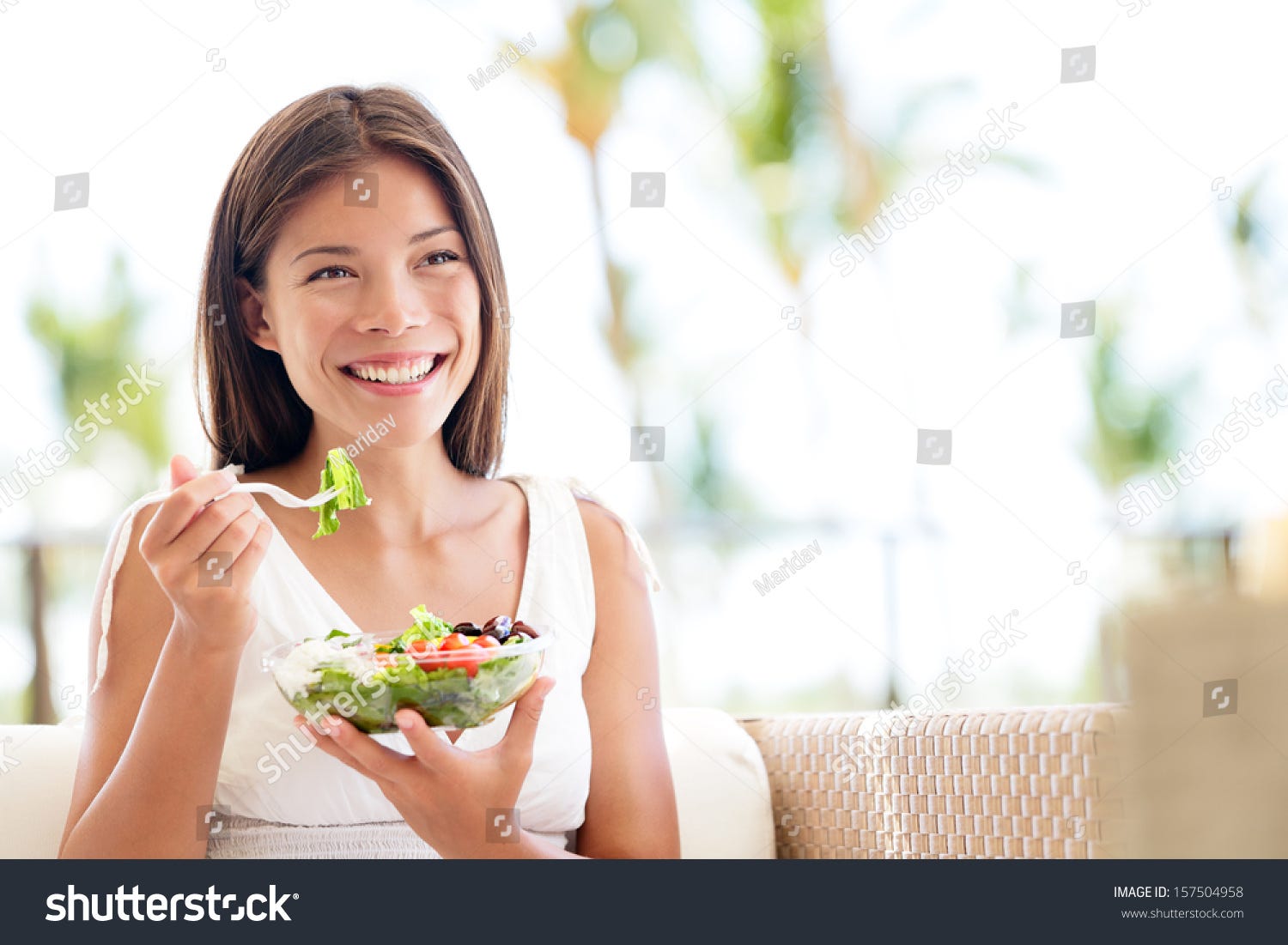
The internet responded, of course — turning stock clichés into memes. “Woman laughing alone with salad” became shorthand for visual inauthenticity. Social media threads mocked overly enthusiastic employees, bizarre family portraits, and impossibly clean workspaces. Frustration fueled a movement.
And like all good revolutions, new platforms emerged in response.
Get Alejandro Torres’s stories in your inbox
Join Medium for free to get updates from this writer.
Subscribe
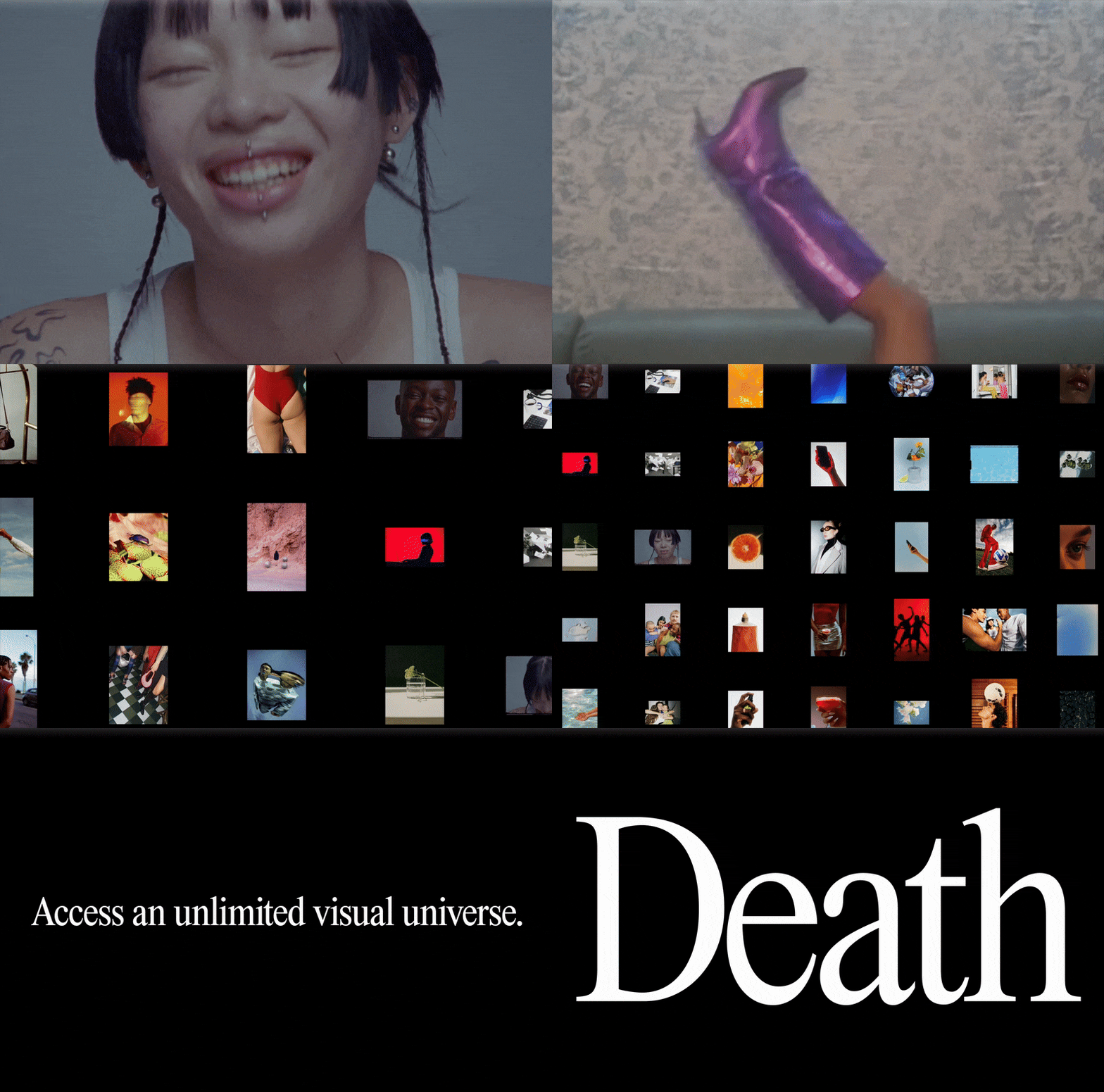
Alternatives like Death to Stock offered curated libraries with an emphasis on realism and cultural relevance. These services were born from creative dissatisfaction — and designed to fix the very problems stock had created. They reintroduced the idea of specificity, with commissioned shoots built around vibes, feelings, and real cultural nuance. In short: images that matched the energy of your Pinterest moodboard.
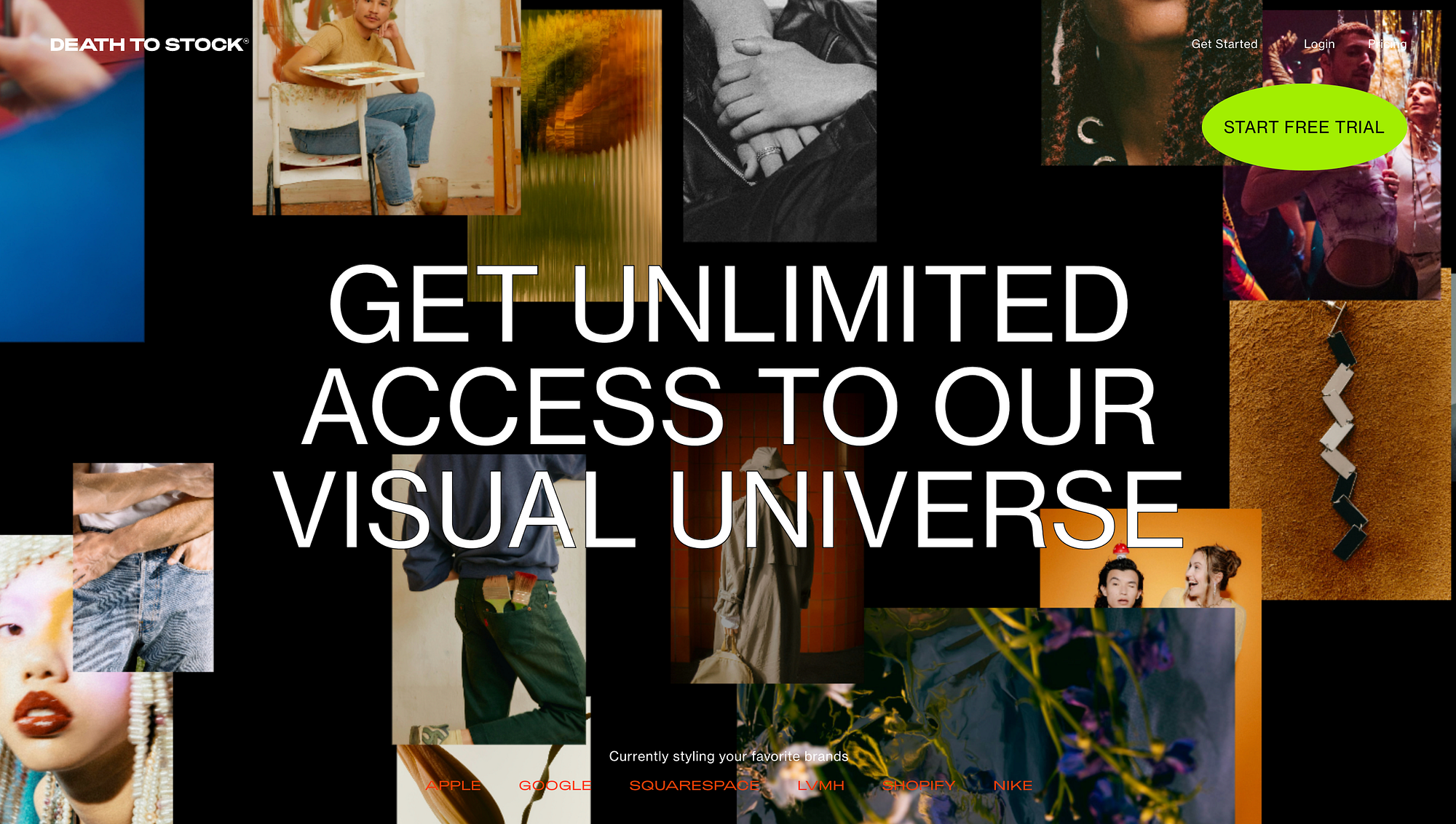
Creative communities like Saave.it and Are.na also rose to prominence, offering highly curated visual inspiration, often unavailable in traditional stock repositories. Suddenly, building a brand meant building a visual world again.
Enter AI: The New Frontier?
Now, we’re facing a new wave of disruption: AI image generation.
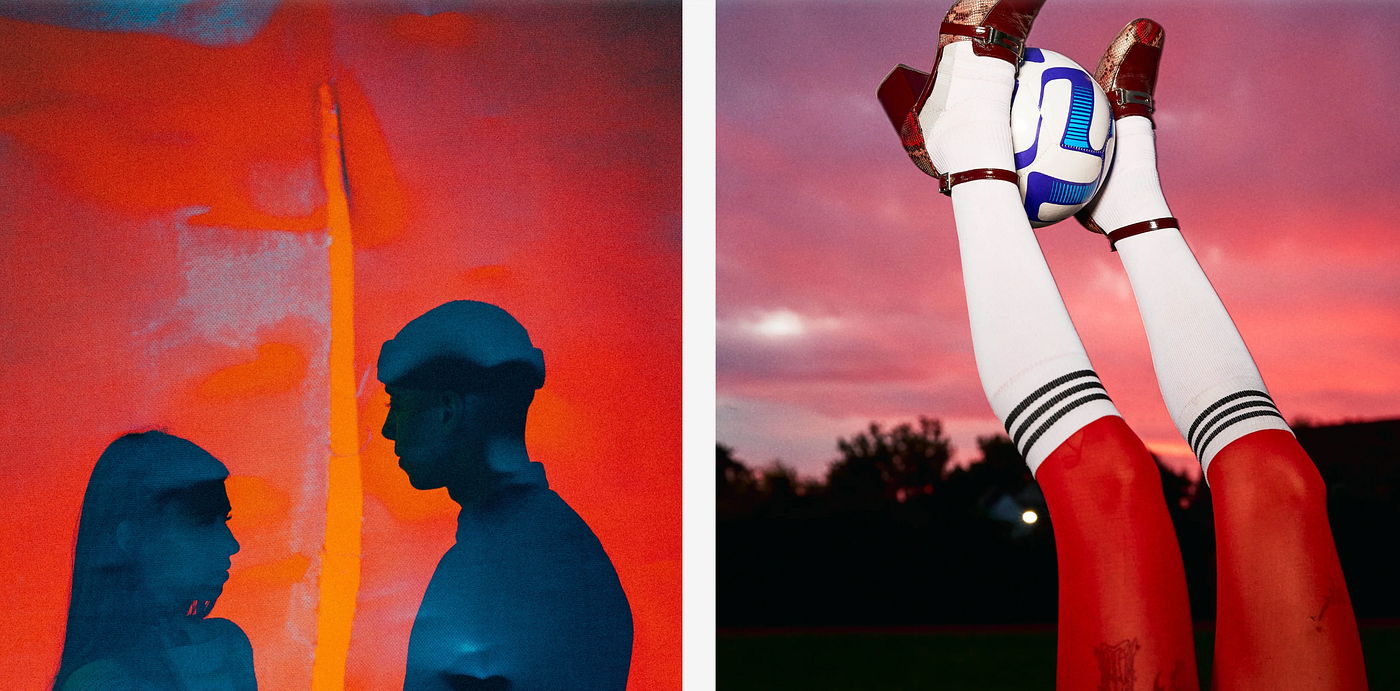
Tools like Midjourney, DALL·E, and Firefly let anyone create visuals in seconds, drastically changing the image sourcing process. But here’s the twist: many of these AI systems were trained on — wait for it — historic stock photography. Yes, the very Getty and Shutterstock images we were trying to escape.
So what happened? The clichés returned.
Only now they were faster, weirder, and harder to control.
Stanford’s Human-Centered AI Institute has shown how AI visuals often replicate existing biases, lacking cultural sensitivity and reinforcing stereotypes. Despite their power, these tools still miss the human subtleties that make an image resonate — context, emotion, storytelling.
Efforts are underway to fix this. Adobe’s Content Authenticity Initiative and OpenAI’s fairness guidelines aim to build more transparent, inclusive image pipelines. But the gap remains.
AI is powerful, yes — but it still needs a human eye.
In fact, Adobe Stock’s 2024 Insights Report revealed that while 56% of creatives already use AI tools, 78% still worry about originality and brand authenticity.
So, What Can We Do?
Neither traditional stock nor AI alone can give us what we need: nuanced, emotionally intelligent, culturally aware visuals.
The solution? Curation.
We need human curators — people who understand how to brief, guide, prompt, and edit with intention. People who know how to tell a brand story with clarity, specificity, and soul.
Gartner predicts that by 2025, roles like “Visual AI Curator” will be standard in creative teams. Because the true power of AI isn’t in the tool — it’s in the hands that guide it.
If you’re building a brand in this new era, here’s how to keep your visual storytelling original:
- Write Better Prompts: Go beyond basic keywords. Include emotion, mood, lighting, context, and narrative.
- Refine Constantly: Keep evolving your visual tone based on feedback, trends, and brand evolution.
- Blend Sources: Mix AI-generated images with real photography to balance efficiency with authenticity.
- Invest in Cultural Insiders: Bring in curators who understand the communities, aesthetics, and subtleties your brand wants to reflect.
Stock imagery isn’t dead. It’s evolving.
The same goes for AI.
But the ones who will thrive are not the ones with the best tools — they’re the ones who know how to use them with taste, sensitivity, and vision.
The future of image-making belongs to curators.
Success won’t come from automation alone, but from those who bring cultural awareness and intentional storytelling to every frame.
https://alejandrotorres-design.medium.com/death-to-the-stock-image-504c7a4d93a0


